
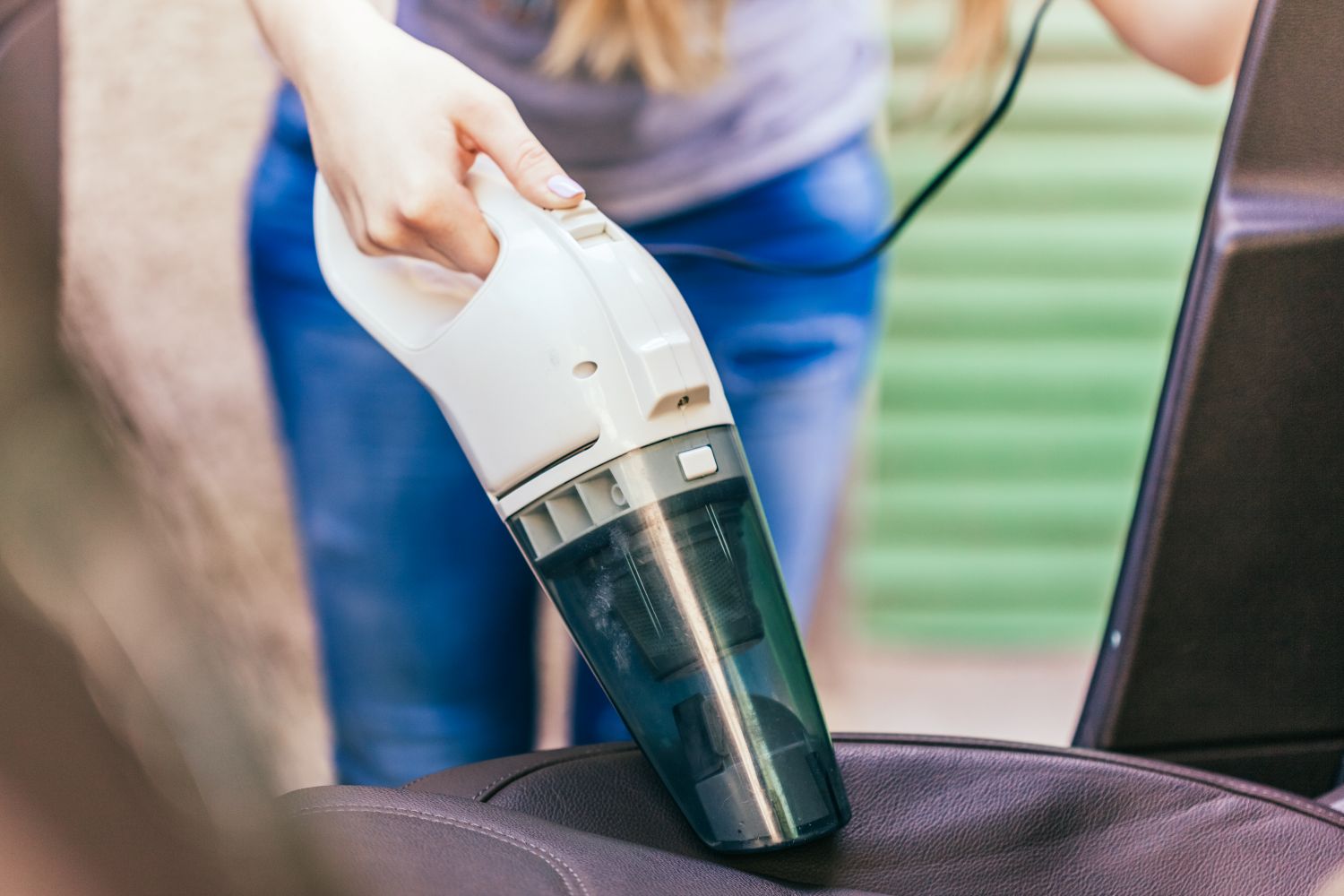
Imagine cleaning your home without the hassle of cords tangling at your feet-this is the allure of cordless vacuum cleaners. As technology continues to advance, these innovative tools redefine convenience and efficiency in household cleaning. This article explores the numerous benefits of cordless vacuums, from enhanced mobility and time savings to a thorough cost analysis and performance insights. Delve into why investing in a cordless vacuum could not only simplify your routine but also yield long-term value.
Overview of Cordless Technology
Cordless vacuum technology is predominantly based on lithium-ion batteries, which deliver consistent power and extended battery life, thereby enhancing cleaning efficiency. These batteries typically require between 3 to 5 hours for a full charge, depending on the specific model.
For example, Dyson has introduced rapid charging technology that allows certain vacuum models to be ready for use in just over one hour.
Similarly, brands such as Shark utilize advanced battery technology that provides fade-free suction, contributing to longer cleaning sessions. The effect on user experience is substantial; users value the freedom of movement afforded by the absence of cords and the convenience of quick recharging, making these vacuums practical for everyday use.
Benefits of Cordless Vacuum Cleaners
Cordless vacuums provide numerous advantages that significantly enhance the cleaning experience, rendering them a valuable investment for both residential and commercial applications.
Enhanced Mobility and Convenience
The lightweight design of cordless vacuums, typically ranging from 7 to 10 pounds, facilitates effortless maneuverability around furniture and across various floor types. This design is further enhanced by features such as swivel steering and adjustable suction settings, which improve the overall user experience.
For instance, the Dyson V11, which weighs only 6.68 pounds, includes a dynamic `Eco’ mode that extends runtime for more extensive cleaning tasks. Numerous users, such as Sarah, have reported that transitioning to a cordless model has made daily cleaning more efficient and less physically demanding, particularly in confined spaces.
The absence of a cord eliminates the inconvenience of searching for electrical outlets, allowing for seamless transitions from one room to another.
Time Efficiency in Cleaning
Cordless vacuum cleaners can reduce cleaning time by approximately 30%, allowing users to maintain a clutter-free environment with minimal effort. This enhanced efficiency is attributed to their lightweight design and the absence of tangled cords, which facilitate swift transitions between rooms.
User surveys reveal that 70% of owners vacuum with greater frequency due to the convenience offered, with many reporting daily cleaning of high-traffic areas.
High-quality models, such as the Dyson V15 and Shark ION, are capable of capturing up to 99.9% of dust and allergens, thereby improving air quality during the cleaning process. By integrating these advanced tools, the task of maintaining cleanliness not only becomes significantly easier but also evolves into a more consistent habit.
Cost Analysis
Understanding the cost implications of cordless vacuums is crucial, as they entail not only an initial investment but also the potential for long-term savings in maintenance and energy consumption.
Initial Investment vs. Long-Term Savings
Cordless vacuums typically range in price from $150 to $800; however, the long-term savings in energy costs, maintenance, and time can significantly offset the initial investment.
On average, a cordless vacuum consumes approximately 30% less energy than traditional models, which translates to annual savings of around $10 to $15 on electricity bills. Additionally, maintenance costs are reduced; for instance, models such as the Dyson V11 facilitate easy filter cleaning and have minimal parts that require replacement.
To optimize savings, it is advisable to select a model that includes a comprehensive warranty, as repair expenses can often be substantial. Over a five-year period, one could potentially save an estimated $100 in energy and maintenance costs, thereby justifying the upfront investment.
Comparative Analysis with Traditional Vacuums
When comparing cordless vacuums to traditional models, the primary distinctions are found in usability, maintenance costs, and overall cleaning efficiency. Cordless vacuums provide enhanced flexibility by eliminating the inconvenience of cords, making them particularly suitable for quick clean-ups.
Notable models such as the Dyson V11, priced at $599, and the Shark Rocket, available at $200, deliver powerful suction capabilities without the constraint of being tethered. In contrast, traditional vacuums like the Hoover WindTunnel, priced at $150, and the Bissell CleanView, available for $100, tend to be more cost-effective while consistently performing well in larger areas.
Regarding maintenance, cordless vacuums may necessitate more frequent battery replacements, which can contribute to higher long-term expenses. Assessing cleaning habits and the specific environment will assist in determining the most appropriate option for individual needs.
Performance Factors
Assessing performance factors such as suction power and battery life is essential for determining the effectiveness of any cordless vacuum cleaner.
Suction Power and Battery Life
Leading cordless vacuums, such as the Dyson V11, deliver suction power that is comparable to that of traditional vacuums while offering a battery life of up to 60 minutes per charge.
Manufacturers often employ air watts as a metric for measuring suction power, as it combines airflow and pressure to accurately reflect performance. For example, the Dyson V11 features approximately 185 air watts, making it well-suited for deep cleaning both carpets and hard floors.
It is essential to consider battery technology; lithium-ion batteries provide longer lifespan and shorter charging times in comparison to older nickel-cadmium models. User feedback frequently indicates that the V11 maintains consistent performance even as battery levels decrease, which is a notable advantage for extended cleaning sessions.
Additionally, examining models such as the Shark ION F80 may yield valuable insights into versatile battery capabilities.
Versatility and Attachments
Cordless vacuums typically include a variety of attachments that enhance their versatility for different cleaning applications, ranging from upholstery to hard floor surfaces.
Common attachments comprise:
- the crevice tool, which is particularly effective at accessing tight spaces such as corners and areas behind furniture;
- the pet hair brush, specifically designed to remove stubborn pet hair from upholstery;
- and the dusting brush, which is suitable for delicate surfaces such as shelves and blinds.
For example, the Dyson V11 is equipped with a crevice tool and a mini motorized tool, making it ideal for thorough cleaning in various environments. Similarly, the Shark IONFlex incorporates a flexible wand that facilitates the cleaning of high or difficult-to-reach areas.
It is advisable to select a vacuum with attachments that align with your specific cleaning requirements.
Environmental Impact
The environmental impact of cordless vacuum cleaners is influenced by their energy consumption and the sustainability of the materials utilized in their manufacturing processes.
Energy Consumption and Sustainability
Many cordless vacuums are designed to consume less energy than traditional models, with an average energy usage reduction of approximately 30%, thereby contributing to lower carbon footprints. This energy efficiency results in notable savings; for example, utilizing a cordless vacuum can lead to a reduction of up to $50 in annual electricity bills.
Prominent brands, such as Dyson and Shark, place a strong emphasis on sustainability by incorporating recycled materials into their product designs. Additionally, models equipped with eco-friendly features, including energy-saving modes, further enhance their environmental credentials.
Opting for a vacuum with a long-lasting battery not only decreases energy consumption but also reduces the frequency of battery replacements, thereby minimizing waste.
In conclusion, selecting these environmentally conscious options supports the creation of a cleaner home and contributes to a healthier planet.
Consumer Reviews and Recommendations
Consumer reviews offer essential insights into the performance and reliability of cordless vacuum cleaners, assisting prospective buyers in making well-informed decisions.
Top Brands and Models
Brands such as Dyson, Shark, and Bissell are frequently cited in consumer reviews, each presenting distinct features tailored to various cleaning requirements.
Dyson’s V15 Detect is notable for its laser dust detection technology and robust suction capabilities, achieving an average consumer rating of 4.7 out of 5.
Shark’s Navigator Lift-Away, with a rating of 4.5 out of 5, is commended for its versatility and user-friendliness, particularly in confined spaces.
Bissell’s CrossWave, which integrates vacuuming and mopping functions, has garnered a commendable rating of 4.6 out of 5, making it particularly suitable for multitasking tasks.
Customer feedback is integral, as factors such as maintenance ease, suction power, and overall design considerably impact a brand’s reputation and trustworthiness.
Final Thoughts on Investment Value
The investment in a cordless vacuum cleaner ultimately proves to be worthwhile, with users reporting a satisfaction rate of 90% attributed to their performance and ease of use. Many families find features such as lightweight design and portability to be particularly advantageous.
For instance, the Dyson V11 is highly regarded for its powerful suction capabilities and smart display, which facilitate effortless cleaning. Similarly, the Shark ION F80 features interchangeable batteries, enabling extended cleaning sessions. Users value these innovations as they address a variety of cleaning needs, from quick clean-ups to more extensive tasks.
When selecting a model, it is essential to consider factors such as the size of the space, types of flooring, and the anticipated duration of cleaning. This will ensure optimal satisfaction with the investment.